A Kansa wand and a face oil belong together. The bronze tool needs a slip of oil to glide, and a good facial oil deserves the slow, even massage a wand provides. Pairing the two turns a few drops of oil into a proper ritual, and choosing the right oil for your skin makes all the difference. This guide explains how to match a Kansa wand mini with the oil that suits you, and how to use the two together.
Why the wand needs an oil
Bronze should never move across dry skin. A facial oil creates the thin, gliding layer that lets the dome travel smoothly over the cheeks, brow and jaw, so the massage feels soft rather than draggy. The oil also carries its own sensory character into the ritual, from a light, quickly absorbed serum to a richer, slower oil for a longer session. In Ayurveda, applying oil to the face, a practice within Abhyanga, is considered a nourishing daily habit, and the wand simply helps you work it in with care.
Choosing your oil by skin feel
The best oil is the one your skin welcomes. Here is how the options in the Art of Vedas range tend to suit different preferences.
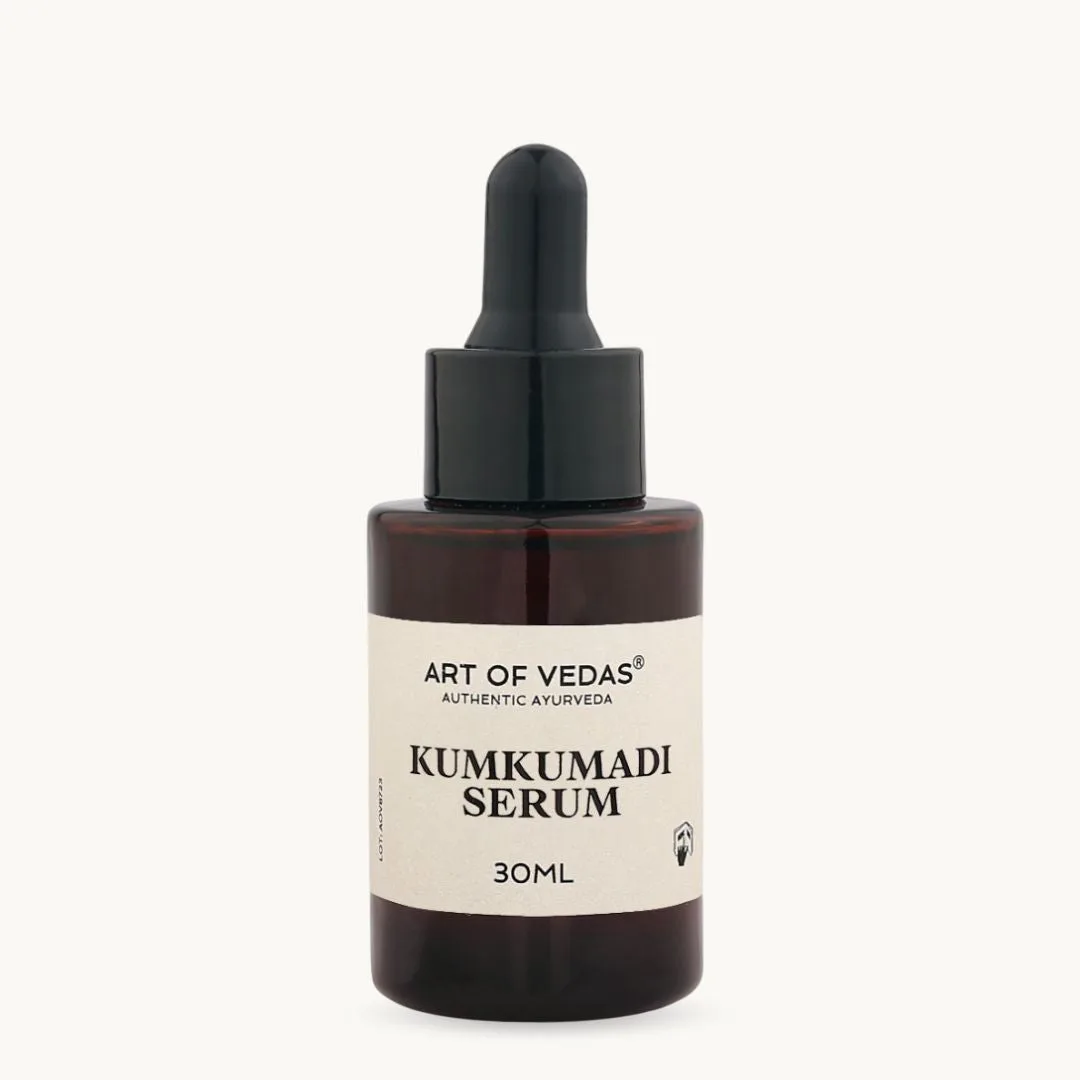
- Kumkumadi serum: a refined, light feeling classical blend, lovely for a brightening evening ritual and for those who dislike a heavy finish.
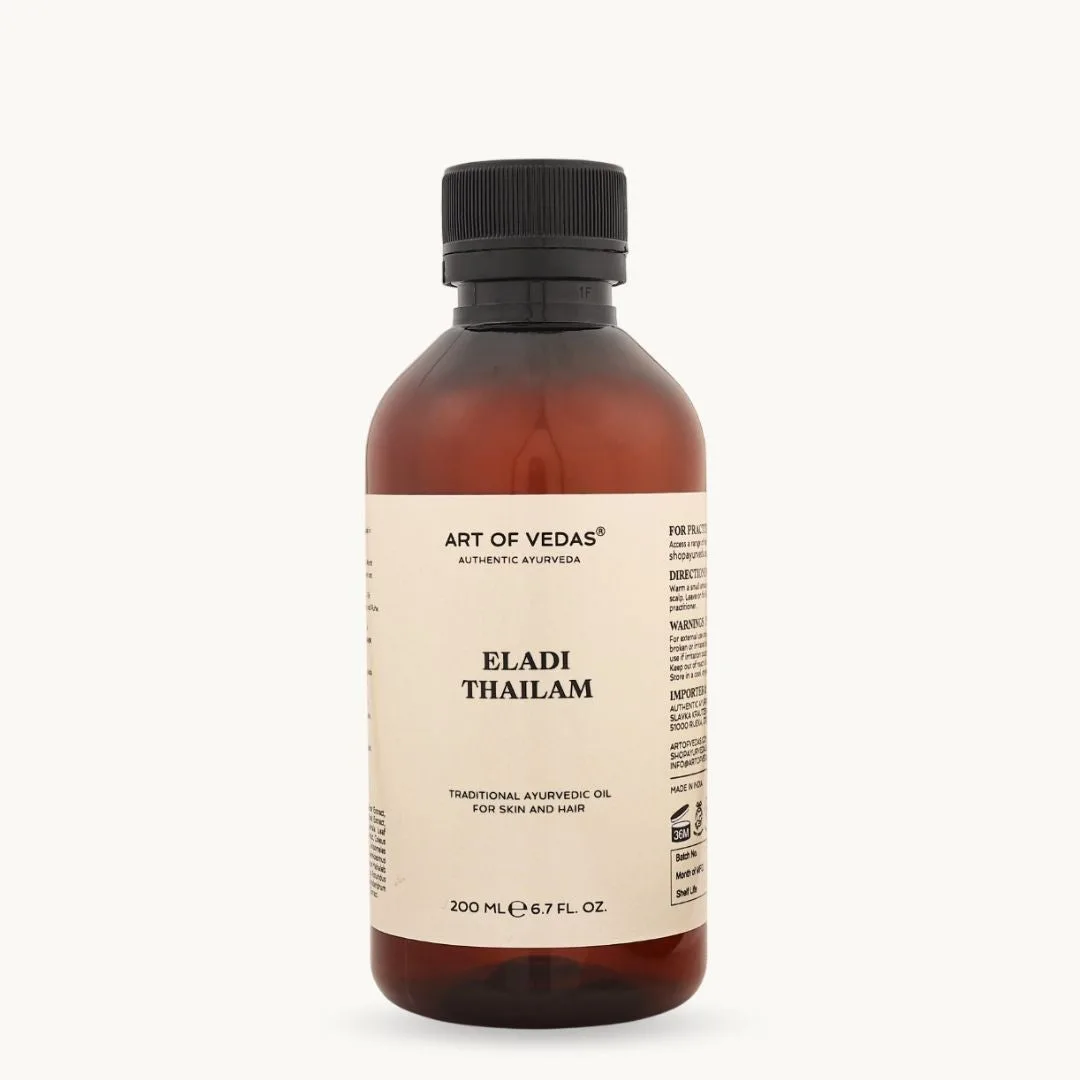
- Eladi Thailam: a traditional face oil with a richer slip, ideal when you want a longer, slower massage and a more nourishing feel.
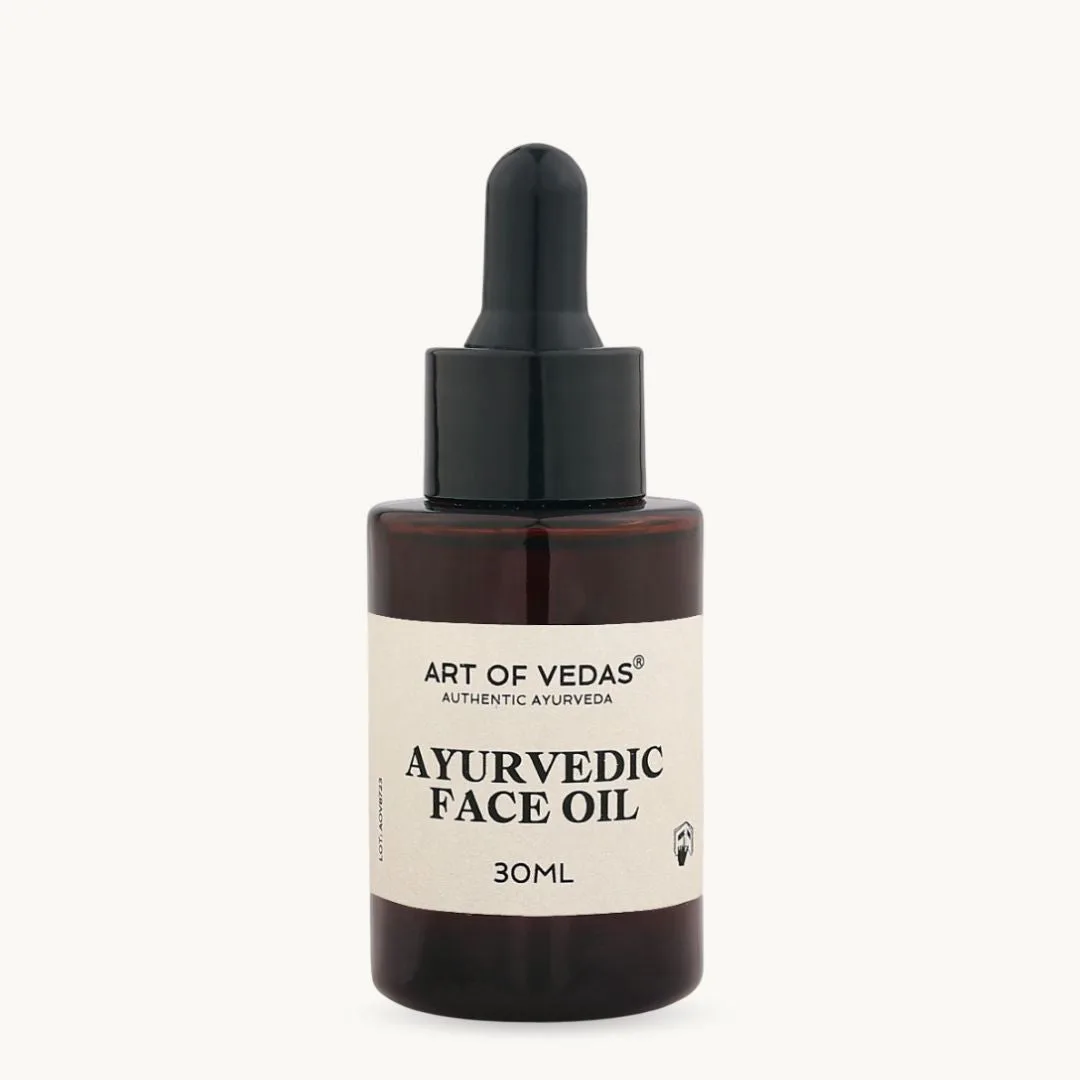
- Ayurvedic face oil: a balanced everyday choice for those who want a simple, dependable oil under the wand.
If you are weighing two classical favourites, our comparison of Eladi Thailam and Kumkumadi oil looks at how they differ in feel and character.
How to use the pairing, step by step
Cleanse first, then take two or three drops of your chosen oil and warm them between the palms. Press the oil onto the face and neck so the skin is lightly covered. Now draw the wand upward and outward in slow strokes, from the centre of the face toward the ears, letting the oil do the gliding. Spend a little longer where the face feels tight, and finish by pressing the palms gently over the skin to settle any remaining oil. In the evening, you can leave the oil to absorb overnight.
On why bronze and plant oil work so well together, the answer is partly in the materials. The wand is cast bronze, a copper and tin alloy, buffed smooth and set on a wooden handle, and its gentle warmth seems to suit the slow spreading of an oil. A faint grey trace may appear where the metal meets the oil on the skin; this is cosmetic and wipes away. Keep a soft cloth nearby to wipe the dome, and store the wand dry so both tool and ritual stay pleasant to return to.
Making it a routine
The pairing is the heart of a daily face ritual. For the full method, follow our step by step Kansa wand facial massage, and when you have ten minutes to spare, the ten minute Kansa face routine builds cleanse, oil and wand into one calming sequence.
Frequently Asked Questions
How much oil should I use with the wand?
Two or three drops is usually enough. The skin needs only a light, gliding layer, and you can add a drop more if the wand starts to drag.
Which face oil is best under a Kansa wand?
It depends on the feel you like. A light serum such as Kumkumadi suits a quick ritual, while a richer oil such as Eladi Thailam suits a longer massage.
Can I use the wand without any oil?
No. The bronze should always glide over an oiled surface, never dry skin, so a few drops of oil are essential.
Should I use the pairing morning or evening?
Either works. Many prefer the evening, when a richer oil can be left to absorb overnight.
Why does the oil turn slightly grey under the wand?
That is the natural interaction of bronze with the oil. It is purely cosmetic and wipes away easily.
For external use only. Not a substitute for professional medical advice.