One of the most common questions about a Kuzhambu is simply when to use it. Morning or evening? Before or after bathing? Classical Ayurveda has thoughtful answers, drawn from Dinacharya, the daily order of living, and from the traditional rules around bathing. Because a Kuzhambu is a semi-solid preparation warmed and applied to a targeted area, its timing is really about fitting a slow, deliberate application into the natural rhythm of your day.
What Dinacharya Suggests
Dinacharya places self-care at gentle, regular points in the day, and oleation traditionally sits in the earlier part of the routine, before bathing. In the classical pattern, a warm application is followed after a suitable interval by a warm bath, so that the preparation has time to do its work and the bath completes the ritual. This ordering is why many people associate oiling with the morning. The principle is less about the clock and more about the sequence, application first, then warmth, then bathing.
The Case for Morning
A morning application suits those who like to begin the day with an unhurried, grounding ritual. Warming a Kuzhambu, applying it slowly to a chosen area, and then bathing afterwards makes a calm and orderly start. The classical bathing rules support this, since a warm bath after oiling is the traditional close to the routine. For anyone whose mornings allow a little time, this is the most text-aligned placement.
The Case for Evening
An evening application appeals to those who want a slow wind-down. Because a Kuzhambu invites a lingering, attentive touch, it fits naturally into a quiet pre-sleep ritual. If you choose the evening, a warm shower or bath afterwards keeps faith with the traditional oil-then-warmth sequence while suiting a nighttime rhythm. The important thing is consistency, since a routine kept regularly is worth far more than one perfectly timed but rarely practised.
Practical Timing Notes
- Follow the classical order of application first, then warmth, then bathing.
- Allow a comfortable interval between applying a Kuzhambu and bathing.
- In cold weather, warm the container gently first, since a Kuzhambu firms when cool.
- Choose the time of day you can keep to consistently, whether morning or evening.
- Keep the session unhurried, as a Kuzhambu rewards a slow, targeted application.
Fitting It to Your Day
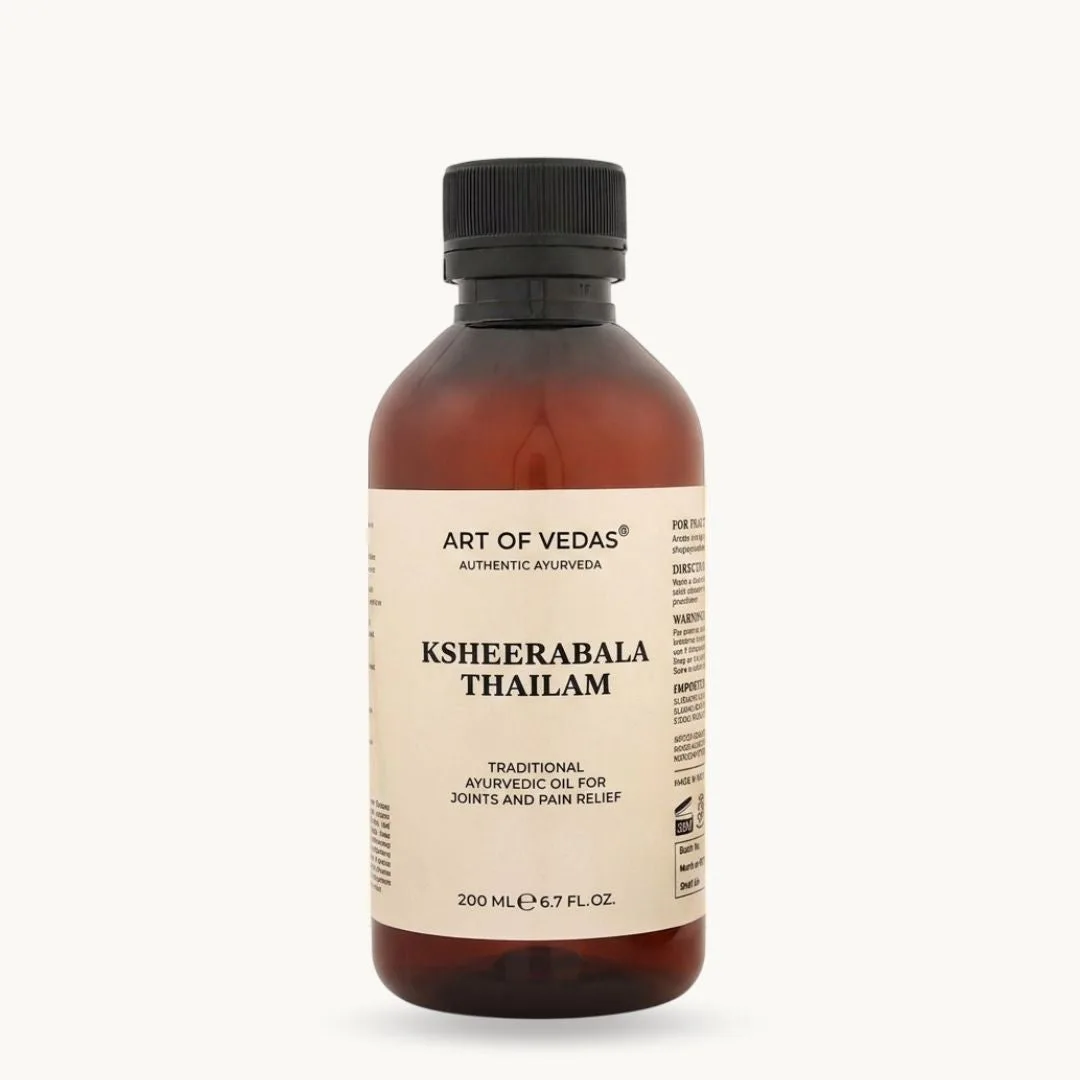
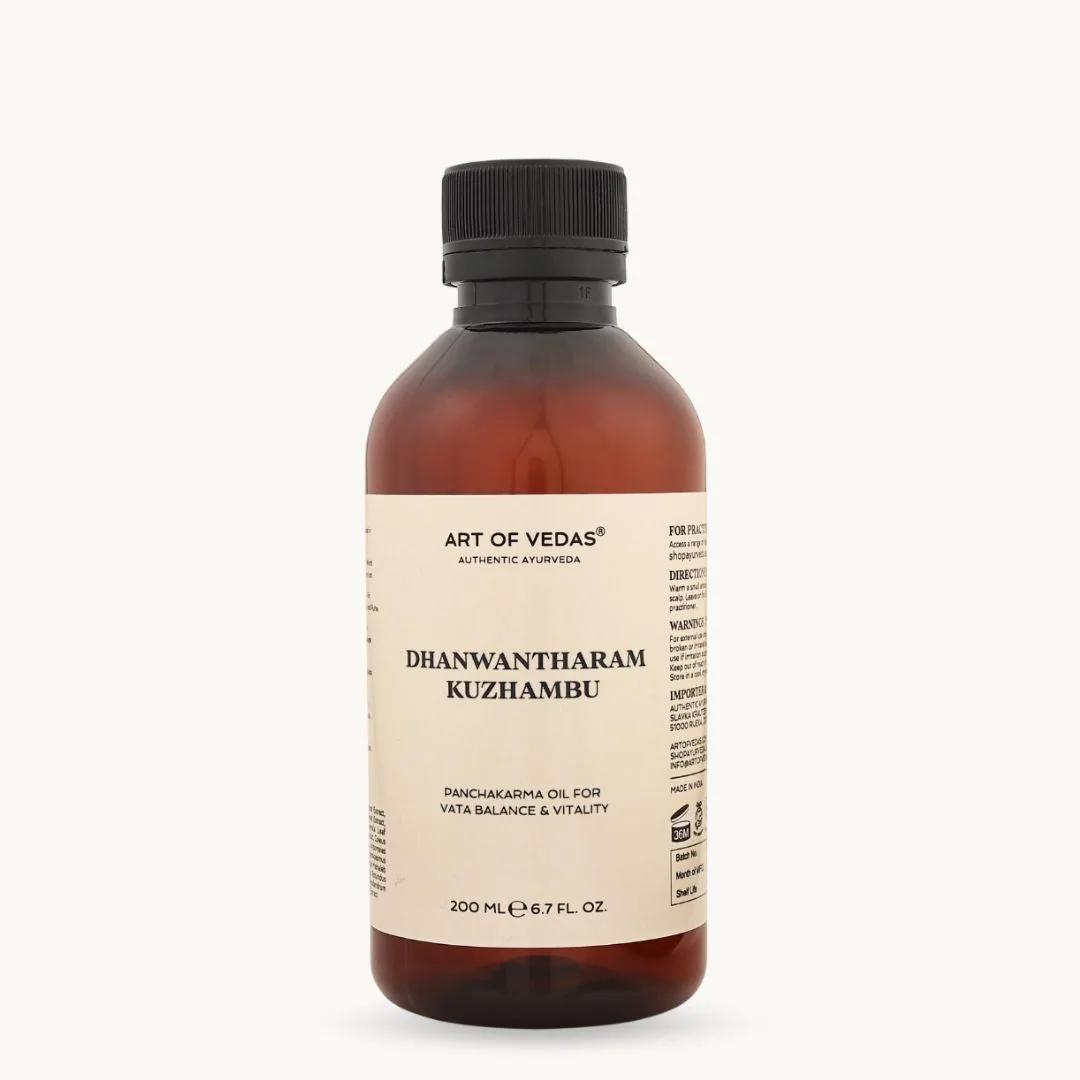
There is no single correct hour. The right time is the one that lets you keep the ritual regularly and follow the oil-then-warmth sequence. For a general preparation the versatile Dhanwantharam Kuzhambu suits either end of the day, and a fluid Ksheerabala Thailam is a gentle companion for lighter work. To place your routine within the classical day, read the Kuzhambu complete guide, the traditional view in what Ayurveda says about bathing, and the Dinacharya complete daily routine.
Frequently Asked Questions
Is morning or evening better for a Kuzhambu?
Both are valid. The classical pattern favours application before bathing, which often falls in the morning, but a consistent evening ritual is equally sound if it suits your day.
Should I bathe after applying a Kuzhambu?
Yes, the traditional sequence is oil first, then warmth, then a warm bath or shower after a comfortable interval.
How long should I wait before bathing?
Allow enough time for an unhurried application and a short rest afterwards. A comfortable interval matters more than a precise number of minutes.
Does timing change in winter?
The timing principle stays the same, but remember to warm the container gently first, as a Kuzhambu firms in cold conditions.
What if I can only manage one time of day?
Then choose that time and keep to it. A regularly practised routine is far more valuable than an occasional one placed at the ideal hour.
Kuzhambu preparations from Art of Vedas are for external use only. They are personal care products, not medicines. For professional Panchakarma use, appropriate practitioner training applies. Consult a practitioner before use if pregnant or if you have a medical condition.