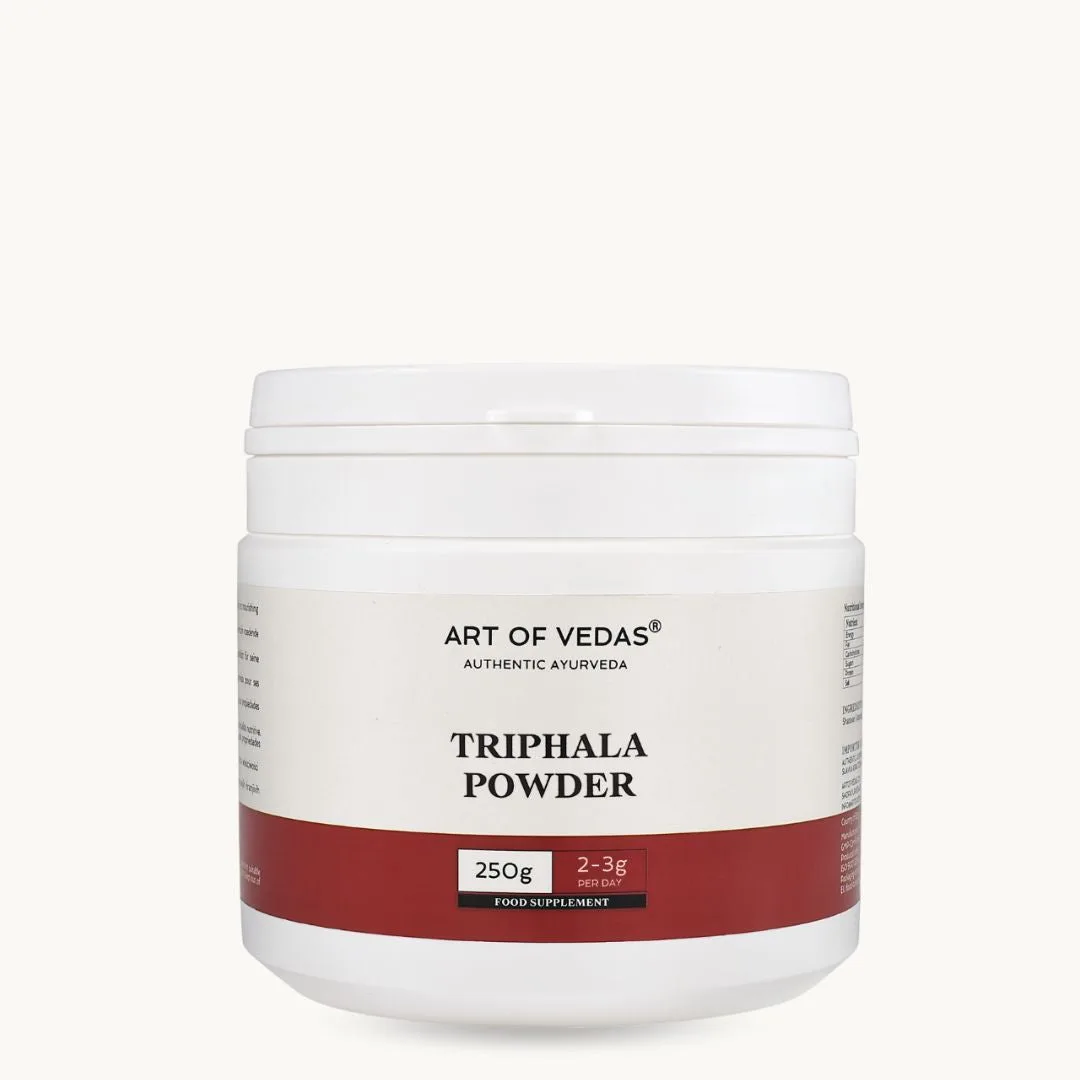
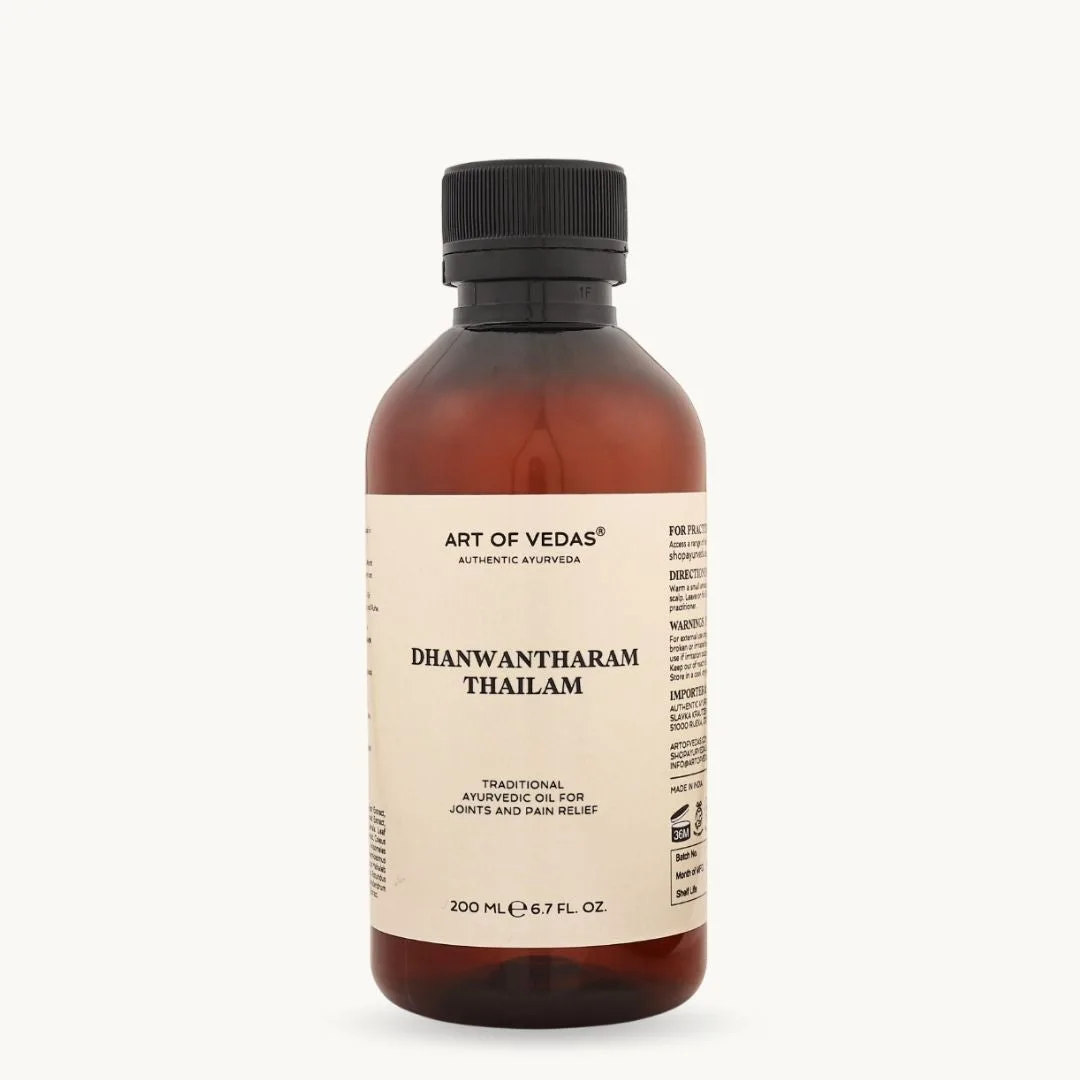
Le Triphala Ghritham est une préparation ayurvédique classique dans laquelle les trois fruits du Triphala sont travaillés dans le ghee. Bien des lecteurs arrivent à ce sujet par une petite confusion de noms: les recherches sur le Triphala Thailam conduisent souvent ici, or un Thailam est une huile d’application externe tandis qu’un Ghritham est une préparation au ghee dont la place dans la tradition est tout autre. Le présent guide expose ce qu’est le Triphala Ghritham, comment il se fabrique classiquement, en quoi il diffère du Triphaladi Thailam et où il se situe dans la grande famille des ghees médicinaux.
Qu’est-ce que le Triphala Ghritham
Un Ghritham naît du Sneha Paka, cette lente cuisson classique où le ghee mijote avec un décocté végétal et une pâte végétale fraîche jusqu’à évaporation de l’eau, le ghee portant alors le caractère des plantes. Dans le Triphala Ghritham, le décocté et la pâte sont bâtis autour des trois fruits: l’Amalaki, fruit acide d’Emblica officinalis; le Bibhitaki, fruit astringent de Terminalia bellirica; et le Haritaki, fruit de Terminalia chebula. Les recettes classiques peuvent ajouter des botaniques d’accompagnement à la pâte, si bien que l’étiquette du produit fini demeure la liste d’ingrédients faisant foi. Le procédé et sa logique sont décrits dans notre panorama des Ghrithams, les ghees médicinaux classiques.
Triphala Ghritham et Triphaladi Thailam, deux préparations distinctes
La distinction mérite d’être posée clairement, tant les noms se ressemblent. Le Triphala Ghritham est une préparation au ghee, traditionnellement prise en petites quantités avec de l’eau tiède et employée par les praticiens dans des rituels cliniques classiques. Le Triphaladi Thailam est une huile de sésame dans laquelle le même trio de fruits est travaillé pour l’application externe sur la tête et le corps. L’un relève de l’officine du ghee, l’autre du massage. Entre les deux, la question tient simplement à la tradition que vous entendez suivre: la coutume interne du ghee ou le rituel externe de l’huile. Notre Triphaladi Thailam sert la tradition externe, tandis que le Triphala Ghritham sert la coutume classique du ghee.
Le contexte classique de la tradition du ghee
Le ghee jouit d’une position privilégiée dans la pharmacie ayurvédique. Les textes y voient un support idéal pour les plantes et décrivent des familles entières de Ghrithams bâties sur différents groupes botaniques. Au sein de cette famille, le Triphala Ghritham est traditionnellement associé au soin des yeux; les praticiens classiques emploient des préparations au ghee de ce type dans des rituels oculaires encadrés tels que le Netra Tarpana, où un ghee tiédi est maintenu autour des yeux en cadre professionnel. Le présent article décrit cet héritage à des fins pédagogiques: de tels rituels appartiennent aux mains de praticiens formés et ne sont pas des gestes domestiques.
Repères traditionnels
- Préparé classiquement par le Sneha Paka, la lente méthode de cuisson du ghee des textes de formulation
- Bâti sur le même assemblage de trois fruits décrit dans notre guide du Triphala Churna
- Traditionnellement pris en petites quantités indiquées par l’étiquette, avec de l’eau tiède
- Employé par les praticiens dans des rituels oculaires classiques et encadrés
- Tenu dans la tradition pour une introduction plus douce à la grande famille des Ghrithams
Aborder le Triphala Ghritham aujourd’hui
Commencez par l’étiquette, qui indique la prise recommandée, et abordez la préparation comme une tradition alimentaire plutôt que comme un remède rapide. Le ghee est un corps gras issu du lait: ceux qui évitent les produits laitiers choisiront un autre format, telle la poudre de Triphala simple. Les coutumes classiques du ghee étant individualisées, un échange avec un praticien ayurvédique qualifié reste le meilleur moyen de décider si un Ghritham a sa place dans votre routine. Art of Vedas présente cette préparation comme un élément du répertoire classique, les textes servant de cadre de référence.
Questions fréquentes
Qu’est-ce que le Triphala Ghritham?
Il s’agit d’une préparation ayurvédique classique au ghee, dans laquelle les trois fruits du Triphala sont travaillés dans le ghee par la lente méthode de cuisson Sneha Paka décrite dans la littérature de formulation.
Le Triphala Ghritham est-il la même chose que le Triphala Thailam?
Non. Un Ghritham est une préparation au ghee associée à des coutumes internes et cliniques encadrées, tandis qu’un Thailam est une huile d’application externe. Le Triphaladi Thailam en est le pendant huileux, bâti sur les mêmes fruits.
Comment le Triphala Ghritham se prend-il traditionnellement?
La tradition décrit de petites quantités prises avec de l’eau tiède, la quantité étant régie par l’étiquette du produit et, idéalement, par le conseil d’un praticien qualifié.
Qu’est-ce que le Netra Tarpana?
Le Netra Tarpana est un rituel classique administré par un praticien, où un ghee tiédi est maintenu autour des yeux. Il est décrit ici comme contexte patrimonial: il s’agit d’un geste professionnel et non d’une pratique domestique.
Le Triphala Ghritham contient-il des produits laitiers?
Oui. Le ghee est un beurre clarifié, corps gras issu du lait. Ceux qui évitent les produits laitiers peuvent suivre la même tradition fruitière par les formats en poudre ou en capsule.
Les produits mentionnés dans le présent article sont des compléments alimentaires ou des préparations ayurvédiques traditionnelles. Les compléments alimentaires ne se substituent pas à une alimentation variée et équilibrée ni à un mode de vie sain, et ne sont pas destinés à diagnostiquer, traiter, guérir ou prévenir une quelconque maladie. Respectez toujours le mode d’emploi et l’apport journalier recommandé indiqués sur l’étiquette du produit, et consultez un praticien ayurvédique qualifié ou un professionnel de santé si vous êtes enceinte, si vous allaitez, si vous suivez un traitement médical ou si vous présentez une affection existante.